Control sample
Untreated tap water was collected as the comparison condition.
First experiment · 2023
The first Bloom Effect experiment compared untreated tap water with water that had driven a small turbine and laser. The reported difference is a starting point for better tests, not a causal conclusion.
Original documentation
The video records the setup, shows the paper report and explains the observed crystal images. Photographs of the available report pages are published further below.
Experimental setup
The photographs document the practical apparatus used to generate electricity from the water flow and operate the laser.
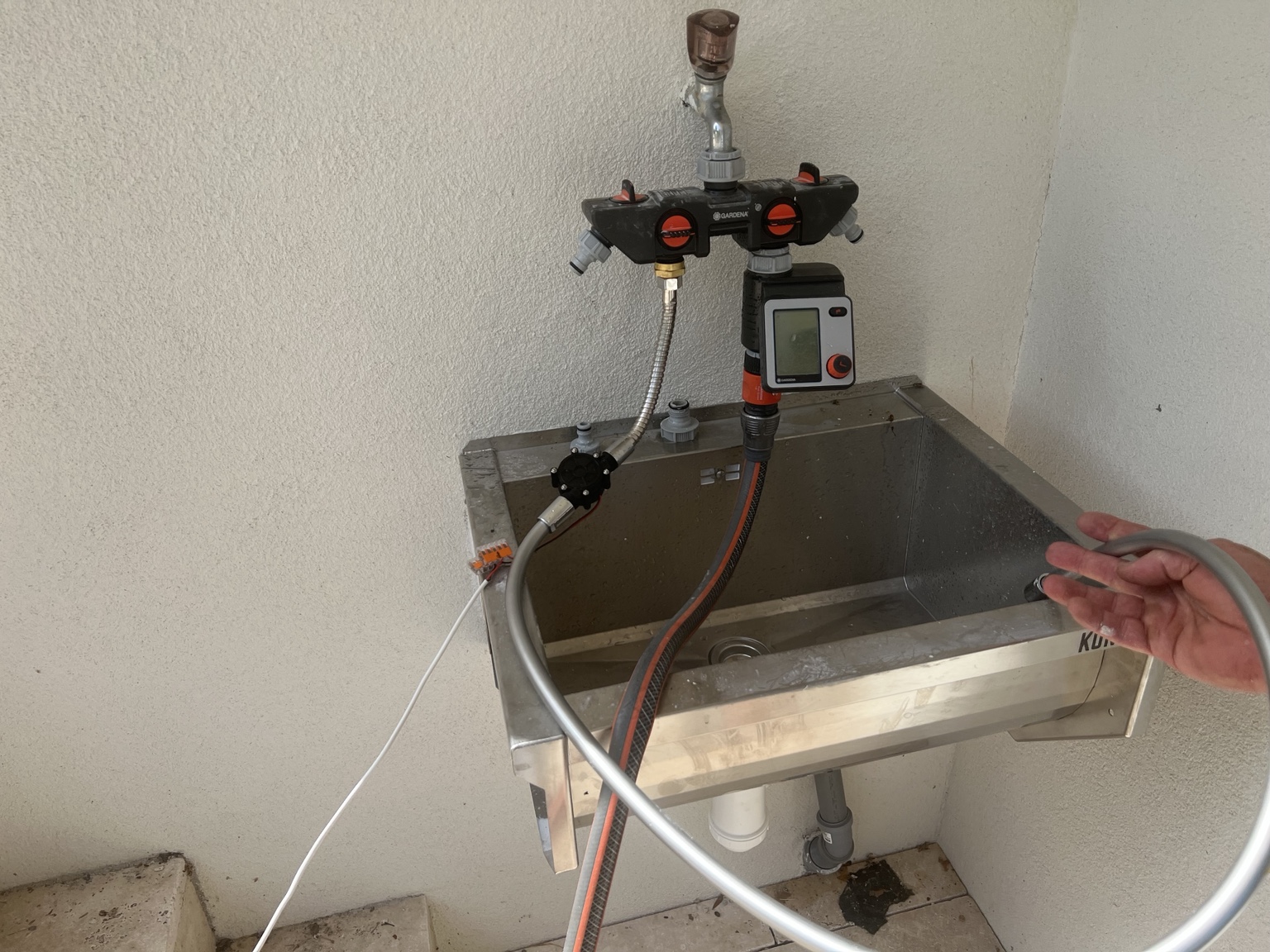
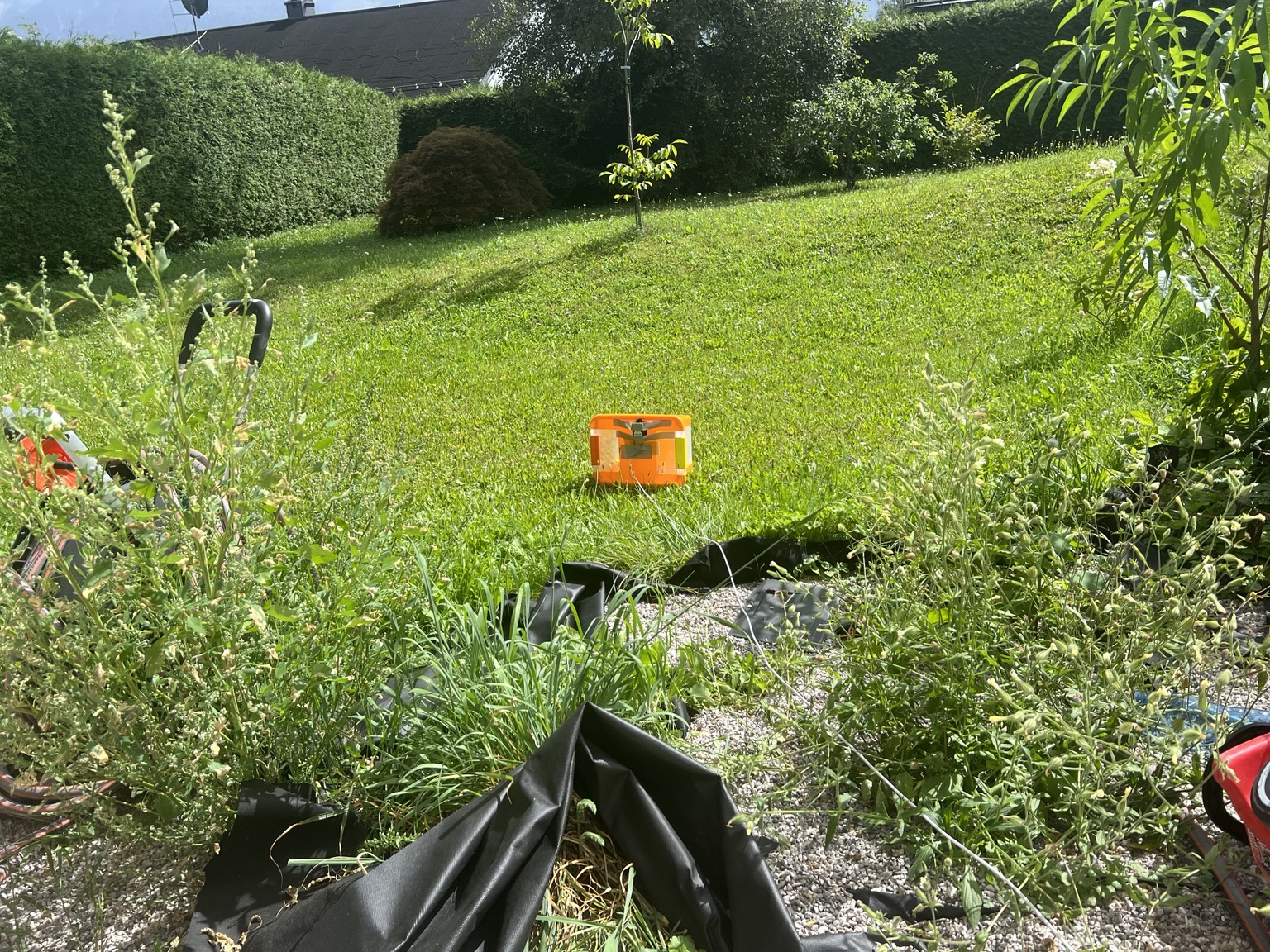
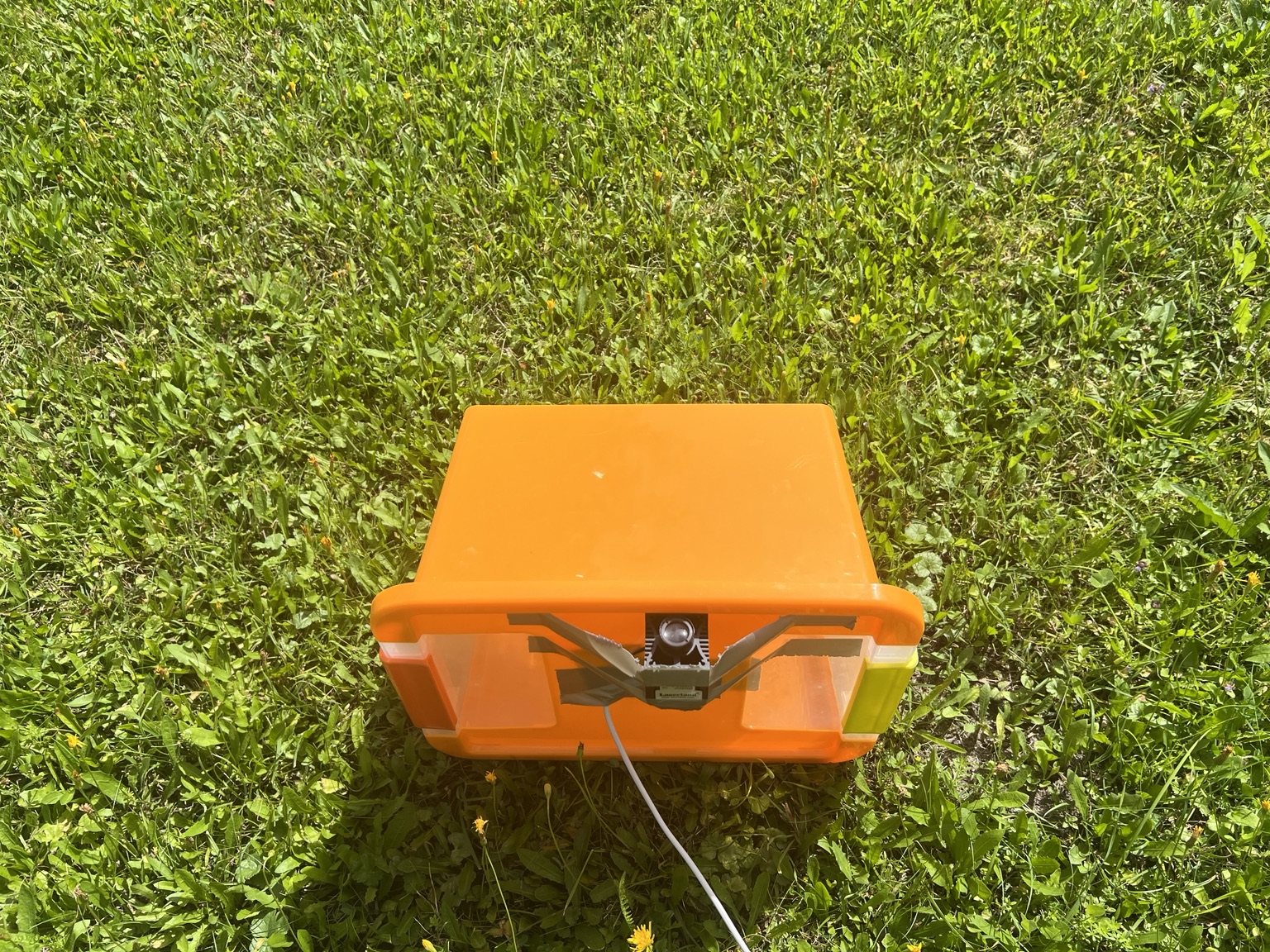
Untreated tap water was collected as the comparison condition.
Water passed through a small turbine. The generated direct current powered a laser directed toward space; the laser did not enter the water.
Both samples were sent to the Masaru Emoto organisation in Japan for freezing and crystal-image observation.
The bottles carried no written labels and were wrapped in aluminium foil. The turbine–laser sample was identified with a rubber band, so this should not be described as a blinded comparison.
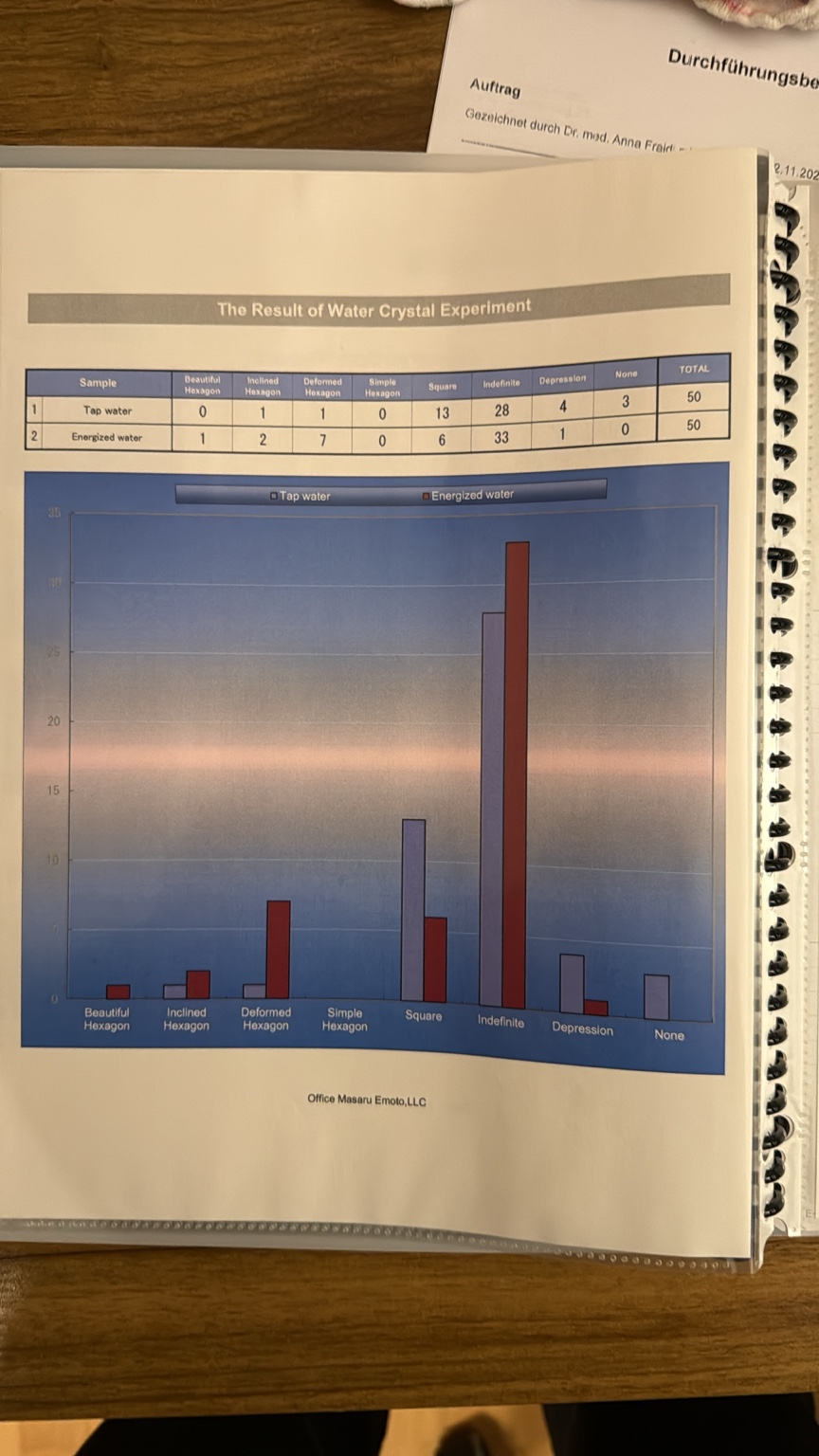
Report data · 50 observations per sample
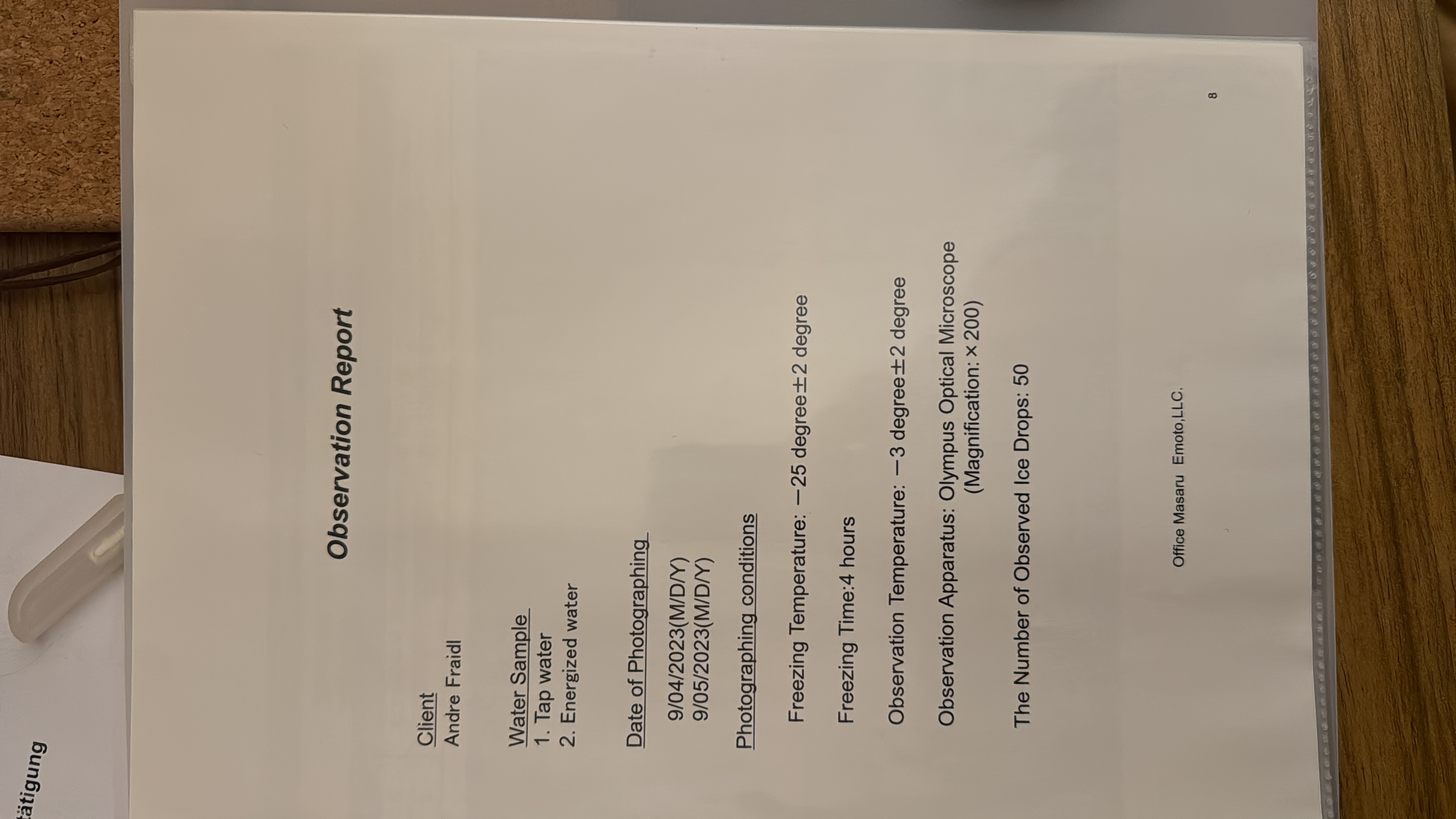
The report identifies the samples as “Tap water” and “Energized water.” Photography took place on 4 and 5 September 2023; the report is dated 20 September 2023.
4% combined hexagon classifications
20% combined hexagon classifications
| Classification | Tap water | Turbine–laser sample |
|---|---|---|
| Beautiful hexagon | 0 | 1 |
| Inclined hexagon | 1 | 2 |
| Deformed hexagon | 1 | 7 |
| Simple hexagon | 0 | 0 |
| Square | 13 | 6 |
| Indefinite | 28 | 33 |
| Depression | 4 | 1 |
| None | 3 | 0 |
| Total | 50 | 50 |
Transparent calculation: “Beautiful,” “Inclined,” “Deformed” and “Simple Hexagon” were added for each sample and divided by 50. The resulting 4% versus 20% is a descriptive summary of the supplied classifications—not a statistical or causal conclusion.
The supplied classification table records more observations in the combined hexagon categories for the turbine–laser sample than for untreated tap water.
The individual crystal photographs will be added to this archive after they are digitised.
A single comparison cannot separate a treatment effect from sample handling, transport, freezing conditions, image selection, classification choices or chance.
It does not establish that water flow, electrical generation or energy emitted by the laser caused the observed difference.
Exploratory observation. Useful for forming a testable question; insufficient for a causal claim. Reproduction, blinding, independent measurement and preregistered analysis would strengthen a future test.
Photographed source material
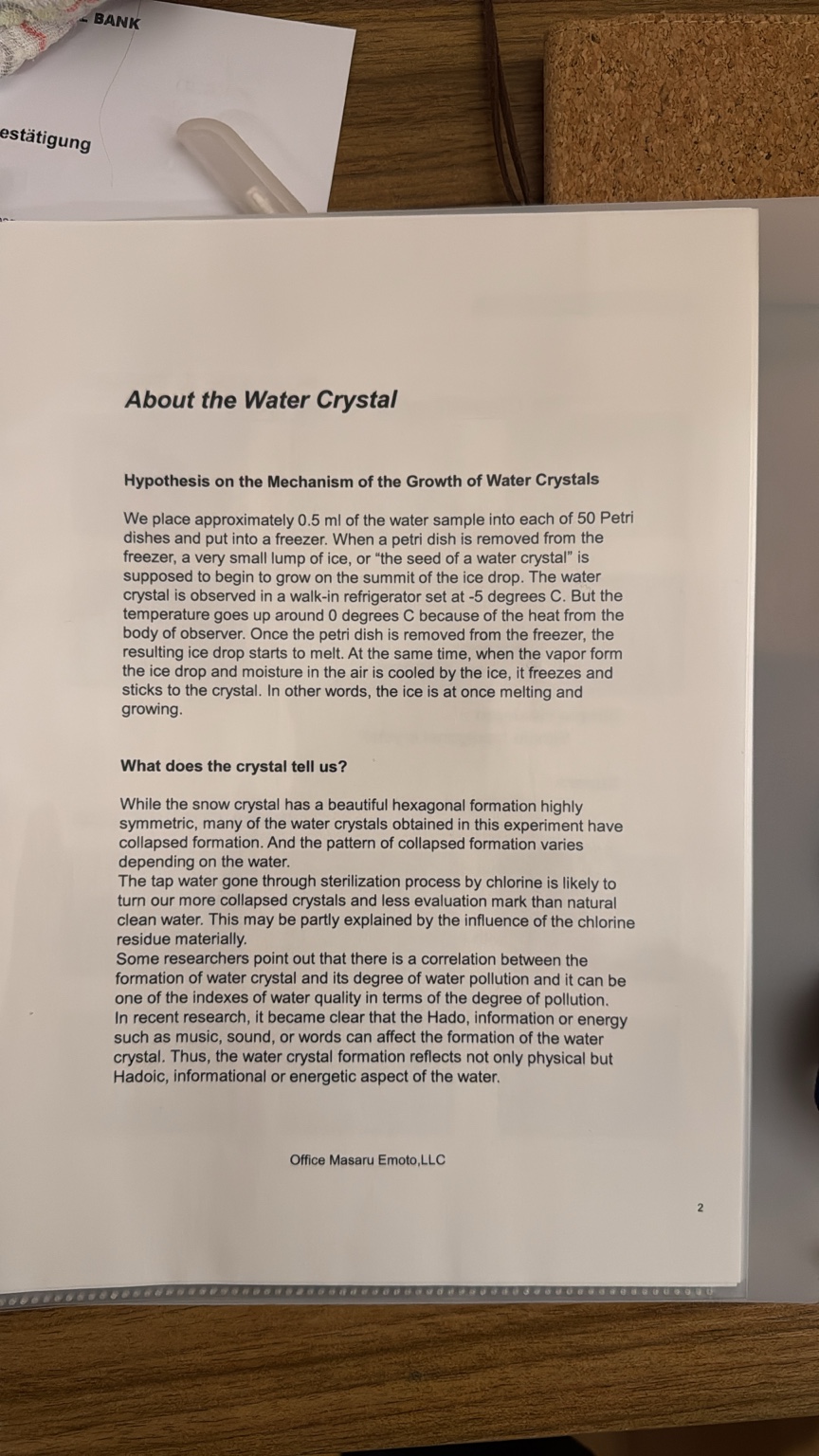
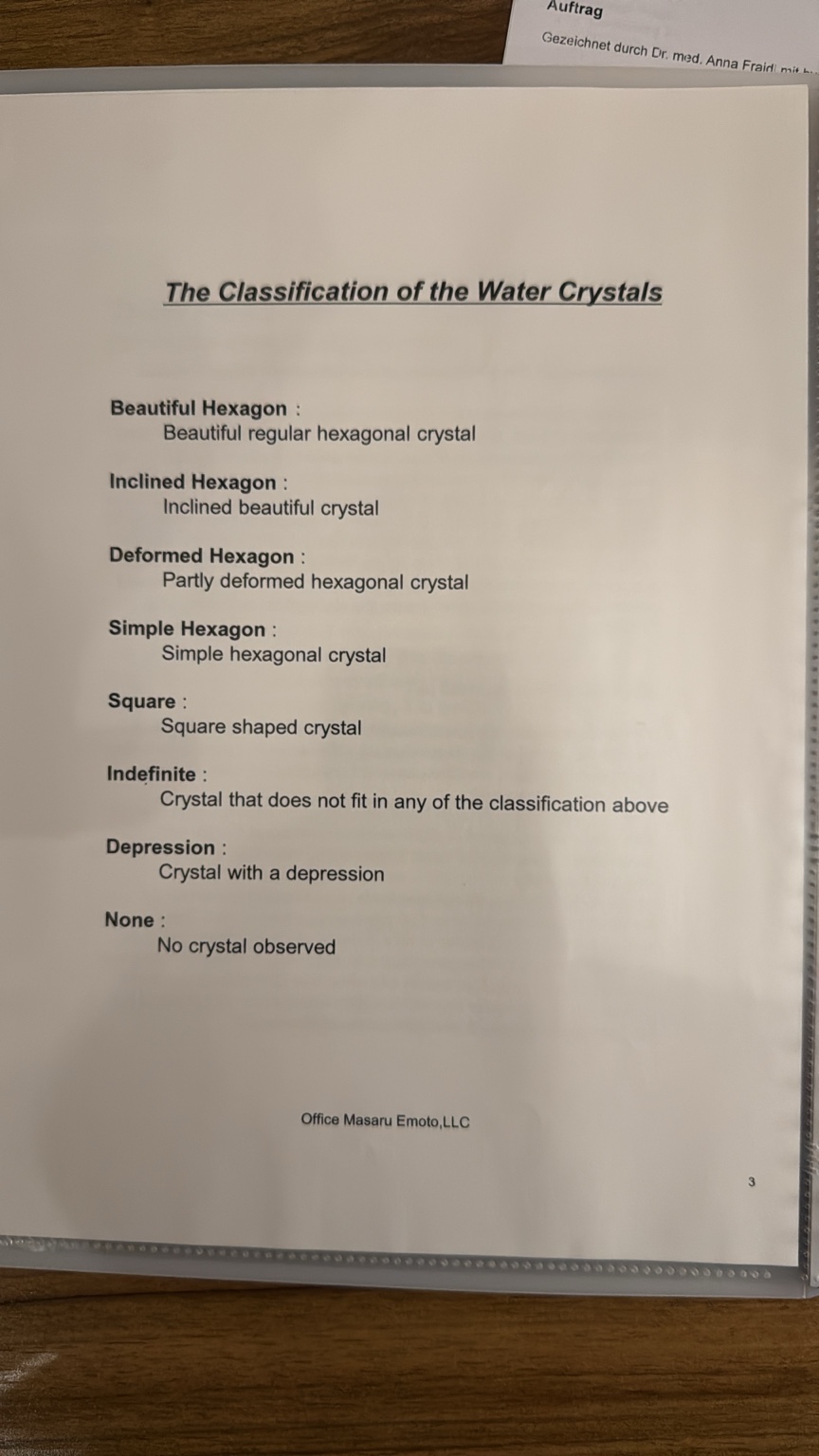
These are photographs of the physical report supplied by Office Masaru Emoto, LLC. Select an image to open it at full size.
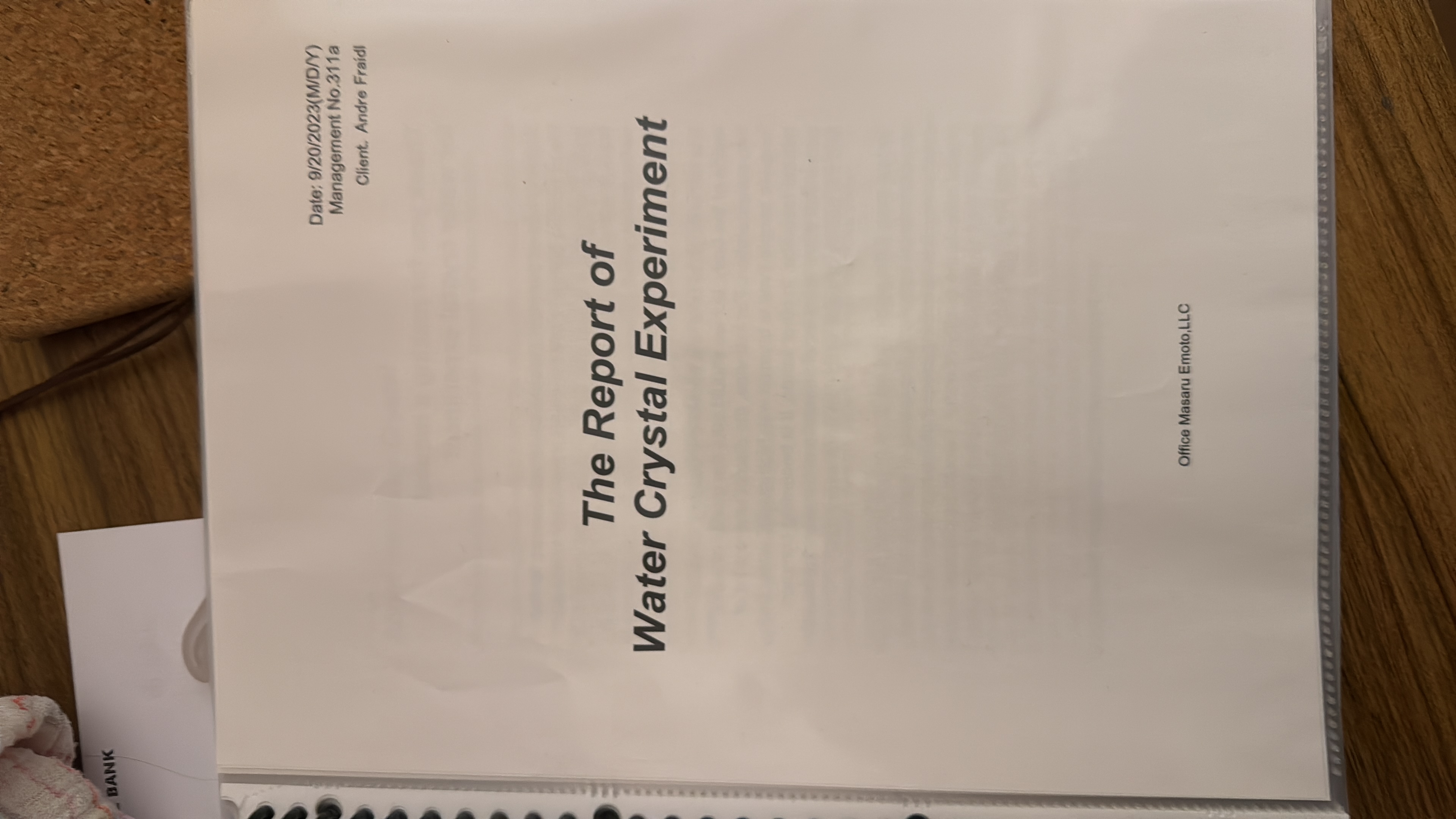
The corresponding crystal-image pages will be added when the remaining photographs are uploaded. Until then, the numerical classification table and the video presentation are available for review.